
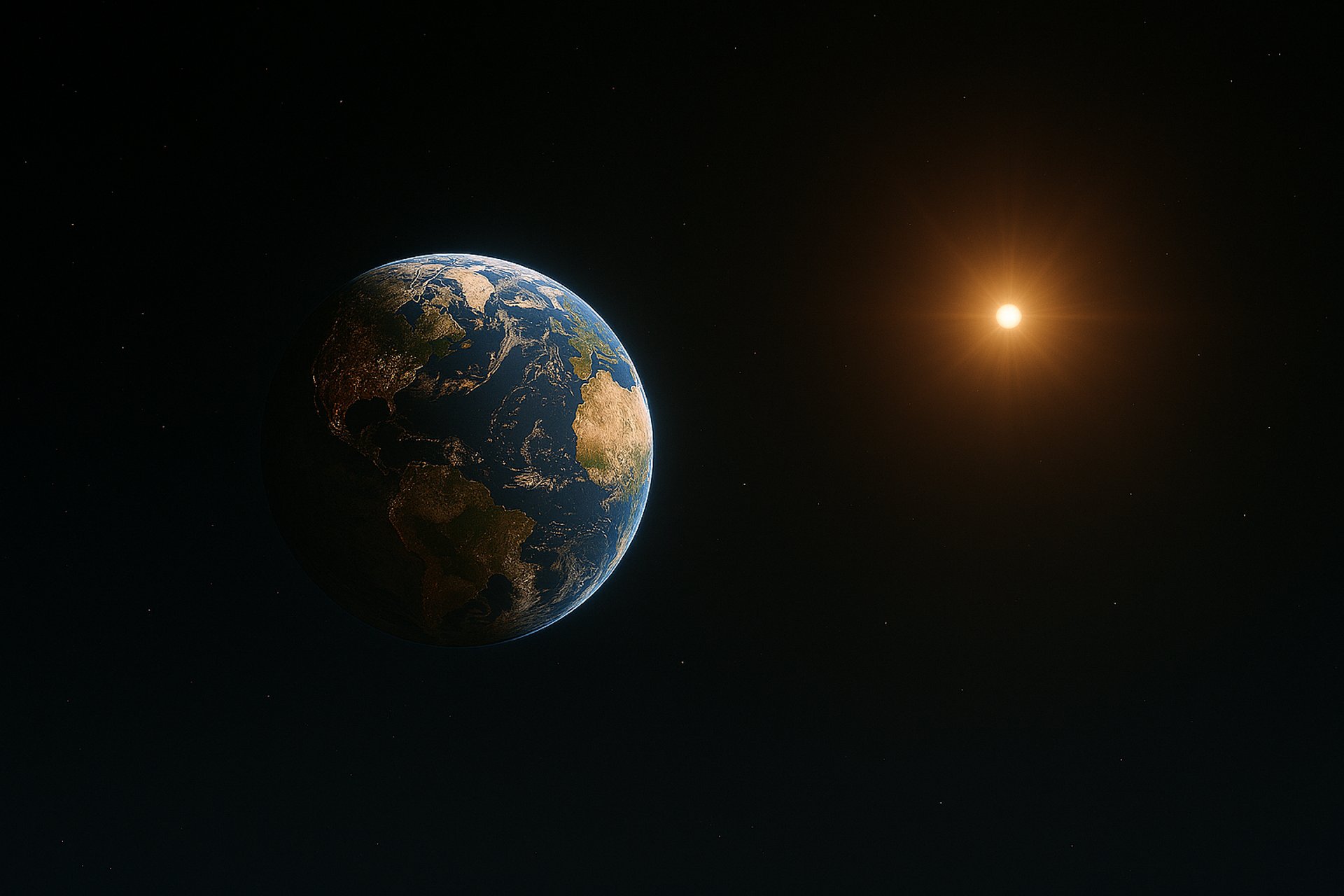
GRAVITY AND ORBITS
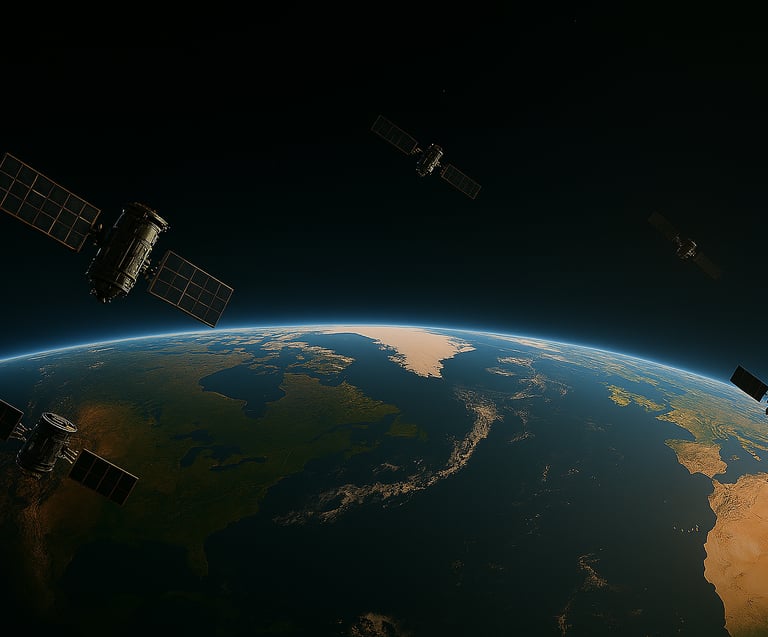
Orbits are all around us. The Moon moves around the Earth, the Earth travels around the Sun, and hundreds of satellites circle above our heads every day. These orbits are not just part of space—they affect life on Earth. Satellites allow us to use GPS, watch television, and predict the weather, while the motion of the Moon and Earth helps create tides and seasons. Understanding orbits helps us explain how our planet fits into the wider universe and how modern technology works.
But this leads to a fascinating question: if gravity is constantly pulling objects inwards, why don’t the Moon and satellites simply crash into Earth? And if they are moving, why don’t they fly off into space? The answer lies in a balance between gravity pulling objects inwards and their forward motion carrying them sideways. Together, these create a continuous curved path—an orbit. So how does this actually work? Let’s find out.
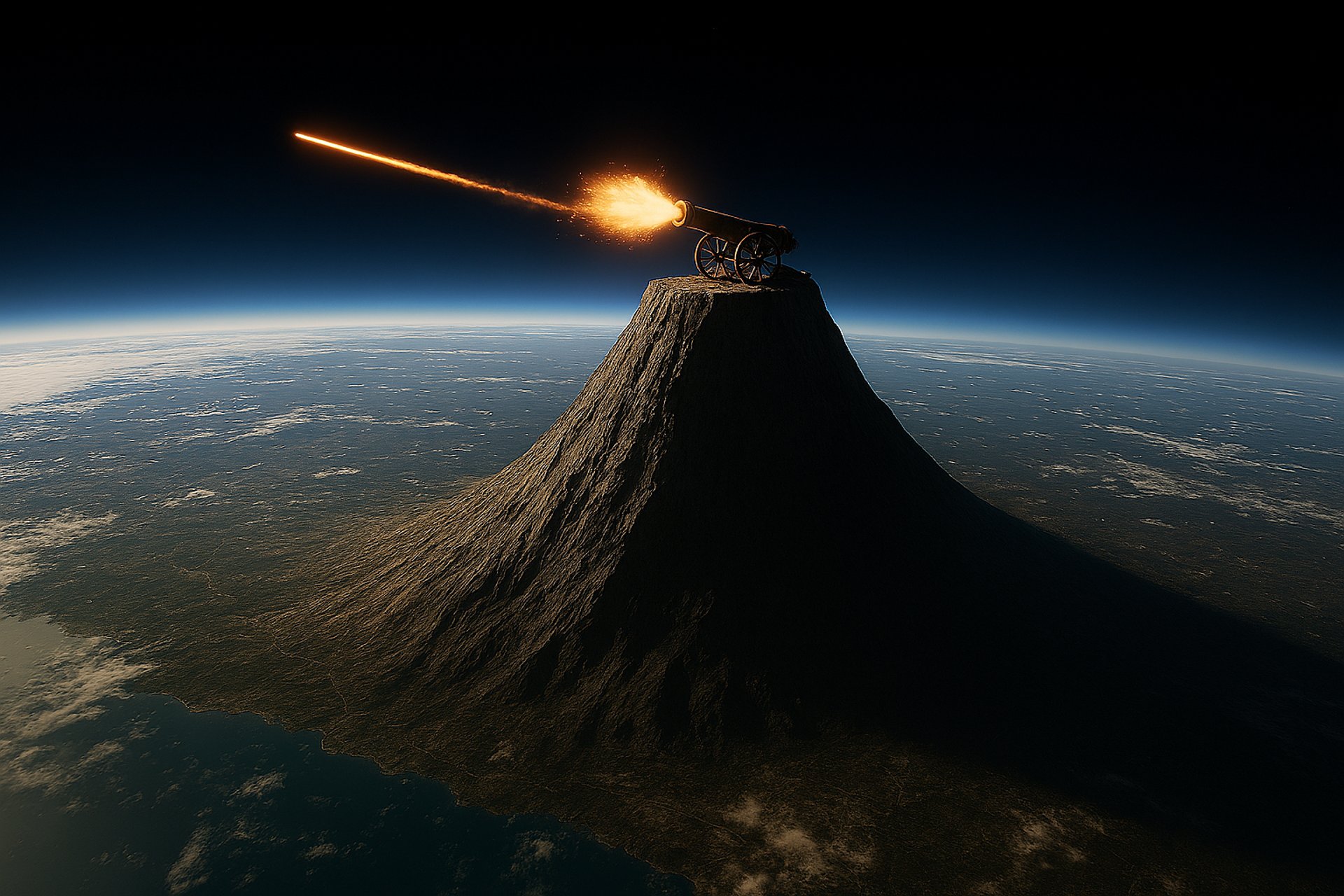
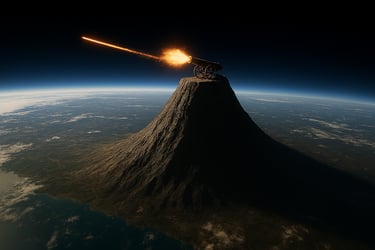
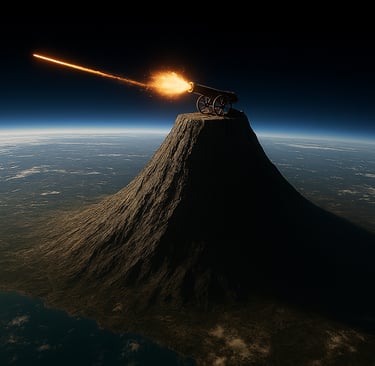
Isaac Newton imagined a giant mountain so high it was above the atmosphere, with a cannon on top.
If you fire a cannonball slowly, it follows a curved path and falls back to Earth.
Fire it faster, and it travels further before hitting the ground.
Fire it fast enough, and the Earth curves away beneath it at the same rate it falls…
👉 So it never hits the ground — it keeps falling around the Earth.
This is what we call an orbit.
WHY DO THINGS ORBIT? NEWTON'S MOUNTAIN
MASTER OF THE SOLAR SYSTEM
The most fun you can have without slaughtering entire populations! Experiment with the velocity, masses and distance of the Earth and Moon without destroying actual civilisations and worlds! Will the earth crash into the Sun? Will it fly off into space never to be seen again? Use your god like powers to find out! Thank you wonderful people at Phet!